Tuesday's Summary
The previous 24 hours saw significant attention on the ongoing situation with Iran, particularly regarding reports of peace talks and proposed agreements, alongside the confirmation of a new Secretary of Homeland Security.
Where the Narratives Split
The most pronounced divergence centered on the status of US-Iran negotiations. While President Trump, as reported by right-leaning outlets, consistently maintained that talks were progressing and Iran sought a deal, left-leaning reports frequently presented Iran's immediate denials of direct talks and its explicit rejection of the US's 15-point proposal. Left-leaning coverage further detailed Iran's own conditions for a ceasefire, implicitly contrasting with Trump's claims of agreement.
Both sides reported on the confirmation of Markwayne Mullin as Homeland Security Secretary, a high-consensus item. However, the right-leaning coverage of the event also included President Trump's anecdote about Secretary Hegseth regarding the Iran conflict, linking the two events. Separately, the potential resolution of the partial government shutdown, specifically Trump's stance on a Republican plan to fund the Department of Homeland Security, received exclusive attention in right-leaning outlets, not appearing in the provided left-leaning summaries. This suggests a differing focus on domestic policy developments amidst the international Iran narrative.

Iran says ‘non-hostile’ ships can pass through Strait of Hormuz — as Trump teases major ‘prize’
Iran will allow "non-hostile" ships to pass through the Strait of Hormuz, but vows to exclude US and Israeli vessels — as President Trump claims negotiations are going well after securing a "very significant prize" from Tehran.

How Trump's Iran war objectives have shifted over time
Here is a reminder of some of what he has said - and where the US is now.
Left-Leaning Media's Perspective
- Contradictory Iran Reports: Reporting emphasized President Trump's assertion of "major points of agreement" in direct talks with Iran, immediately followed by Iran's denial of any such direct talks.
- Iran Rejects US Plan: Extensive coverage detailed Iran's outright rejection of the Trump administration's 15-point peace proposal, with Iranian state media outlining five specific conditions for a ceasefire.
- DHS Secretary Confirmed: The confirmation of Senator Markwayne Mullin as the new Homeland Security Secretary was noted, highlighting his background and the critical period for the department.

Trump touts progress in talks with Iran
President Trump cited ‘major points of agreement’ in direct talks with the Iranian regime to end the war. But Iran denied there were any direct talks. NBC News’ Gabe Gutierrez reports.

Markwayne Mullin Confirmed as Homeland Security Secretary
A Cherokee Nation member who has served as Oklahoma’s junior senator, Mr. Mullin will take charge at a pivotal time.
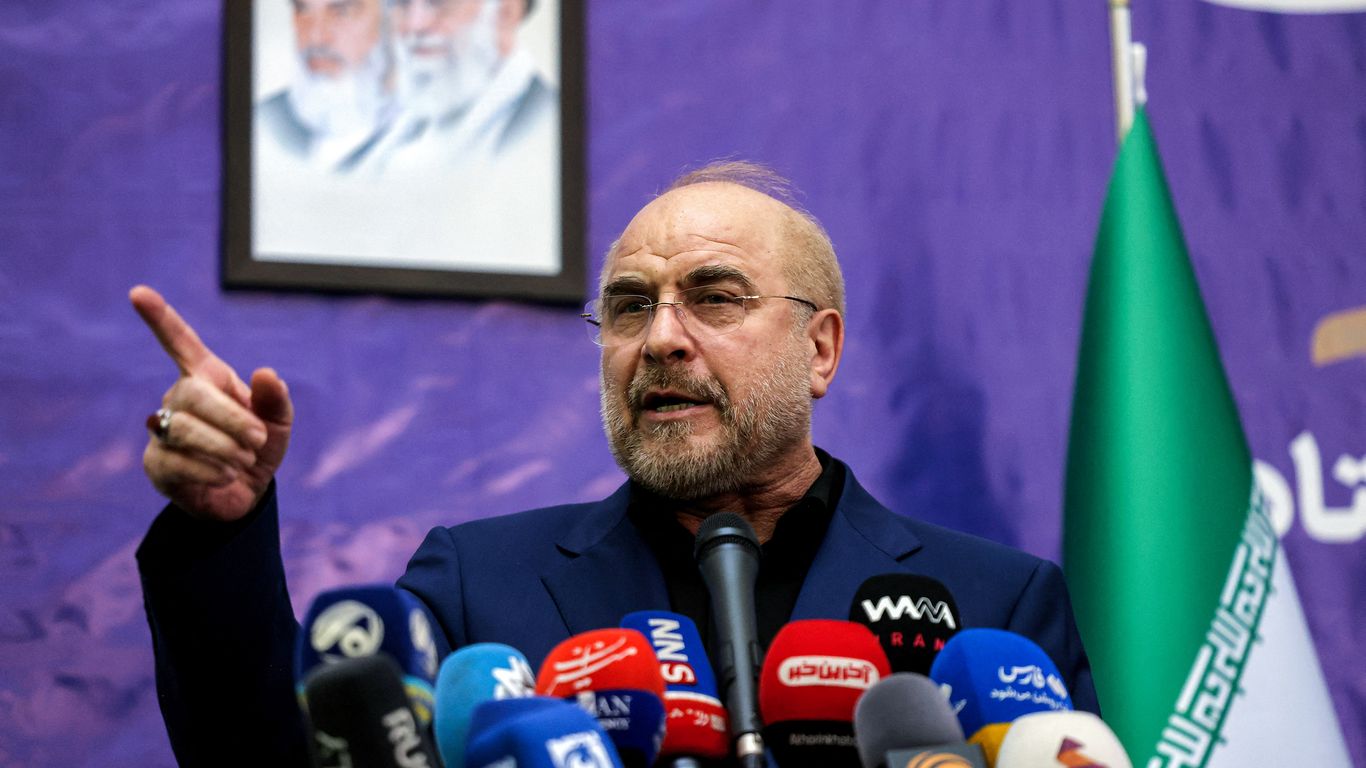
Iran rejects Trump's 15-point plan to end war: State TV
Iran has informed the U.S. through intermediaries that it rejects the Trump administration's 15-point proposal for negotiations, Iran's English-language Press TV reported on Wednesday. Why it matters: The U.S. offer includes many elements Tehran has repeatedly opposed, but rejecting it outright could increase the risk of a major escalation — including the possibility Trump will revive his threat to destroy Iranian power plants.The Iranian position, which was reported in other Iranian and pro-Iran media outlets in the region, could take the U.S. push for in-person peace talks this week off the table for now.What they're saying: A senior Iranian official told Press TV the U.S. terms were "excessive" and the war would only end "on Tehran's own terms and timeline."The Iranian official told Press TV that Tehran saw the latest proposal by the Trump administration to hold negotiations "as a ploy."Axios reported overnight that Iran had told the mediators it suspected Trump's push for peace talks was a ruse, given the U.S. is currently sending thousands of troops to the region.Press TV reported that Iran has five conditions for a ceasefire and ending the war:Complete halting of attacks and assassinations by the U.S. and Israel.The establishment of mechanisms to ensure the war doesn't resume.Compensation for the damages caused during the war.Halting all U.S. and Israeli attacks against Hezbollah in Lebanon and pro-Iranian militias in Iraq. Receiving international recognition and guarantees for Iran's authority over the Strait of Hormuz.This is a breaking news story and will be updated.
Right-Leaning Media's Perspective
- Trump's Optimism on Iran: President Trump's repeated statements that Iran "would like to make a deal" and that negotiations continue were a central theme.
- Presidential Humor: Coverage included President Trump's lighthearted remark about War Secretary Pete Hegseth not wanting the Iran war to end, framed within the context of ongoing negotiations.
- Shutdown Stance: Reporting focused on President Trump's hesitant response to a potential Republican plan to end the partial government shutdown, indicating he would "take a good, hard look" but not committing to support.

Trump insists Iran would 'like to make a deal'
President Trump said Tuesday that negotiations with Iran continue and that officials within the regime want to make a deal to stop the bombardment.

Trump jokes Hegseth doesn’t want Iran war to end
President Donald Trump joked on Tuesday that War Secretary Pete Hegseth “didn’t want it to be settled” when he found out the United States had begun negotiations with Iran that could end the war in short order. The aside from the president occurred when Hegseth attended the Oval Office swearing-in of Department of Homeland Security […]

Trump says he'd be 'unhappy' with GOP deal to end partial shutdown
President Trump said Tuesday that he's willing to take a "good, hard look" at the Republican plan to end the partial government shutdown and fund the Department of Homeland Security, but he didn't say he'd support it.